
Things to Do in Salvador, Brazil: Best Attractions, History & Cultural Sites
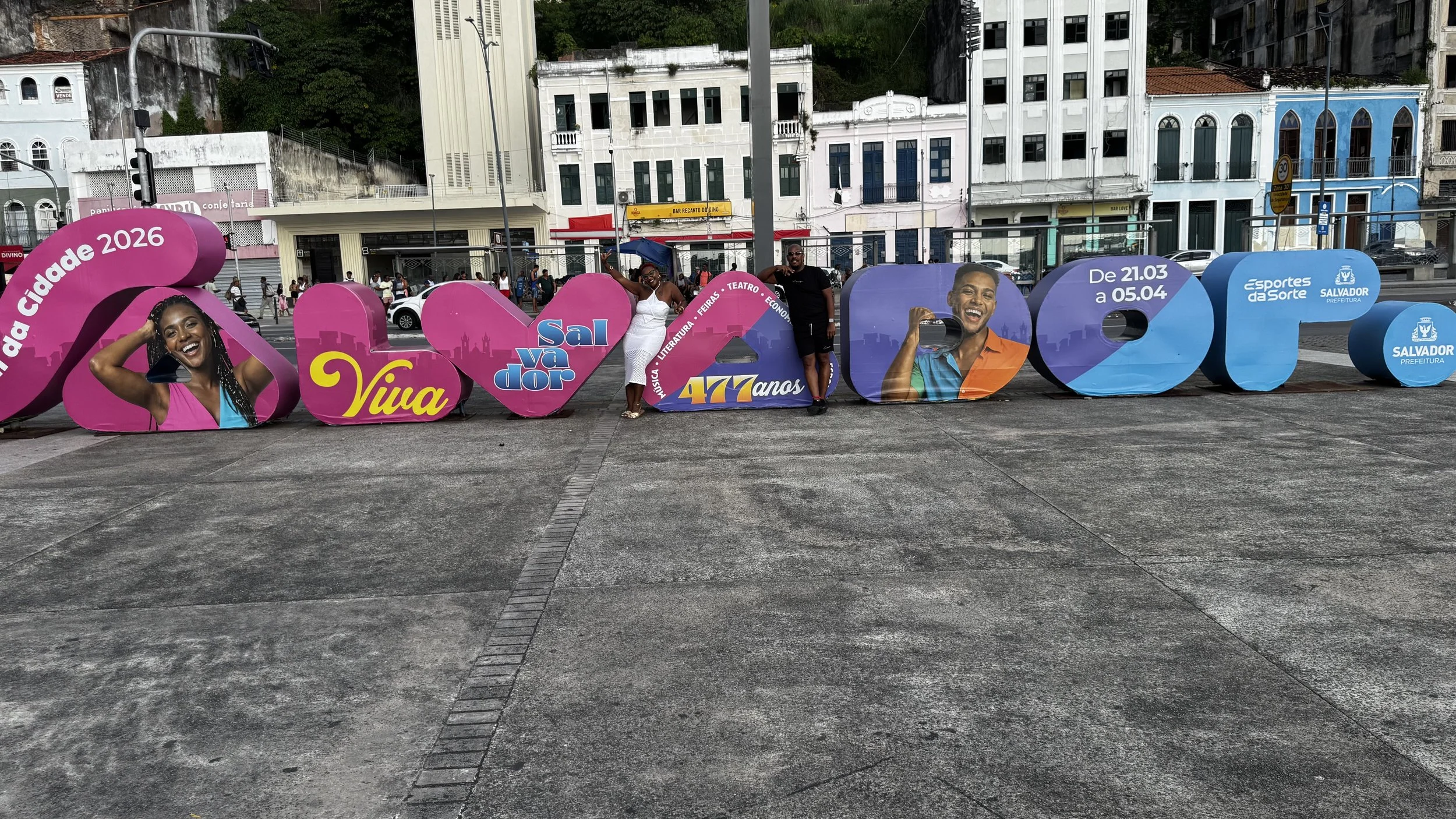
My father and I exploring Salvador!
The first thing I noticed about Salvador wasn’t even the beaches, it was the energy. Salvador feels alive in a completely different way than a lot of cities I’ve visited, icluding Rio de Janeiro & Sao Paulo. Friendly people gather outside talking for hours, music echoing through neighborhoods, tasty food, and the city carries this deep mix of African history, spirituality, resistance, joy, and creativity all at once.
If you’re planning a trip to Salvador, don’t just come for the Beach. This city has so many layers. Some places are beautiful because they have a pretty scenery and instagram worthy shots. Salvador is beautiful because it has a soul within it, that you can’t escape.
Here are some of the best things to do in Salvador, Brazil, especially if you want a mix of history, culture, local experiences, and iconic landmarks.
Ride the Famous Lacerda Elevator
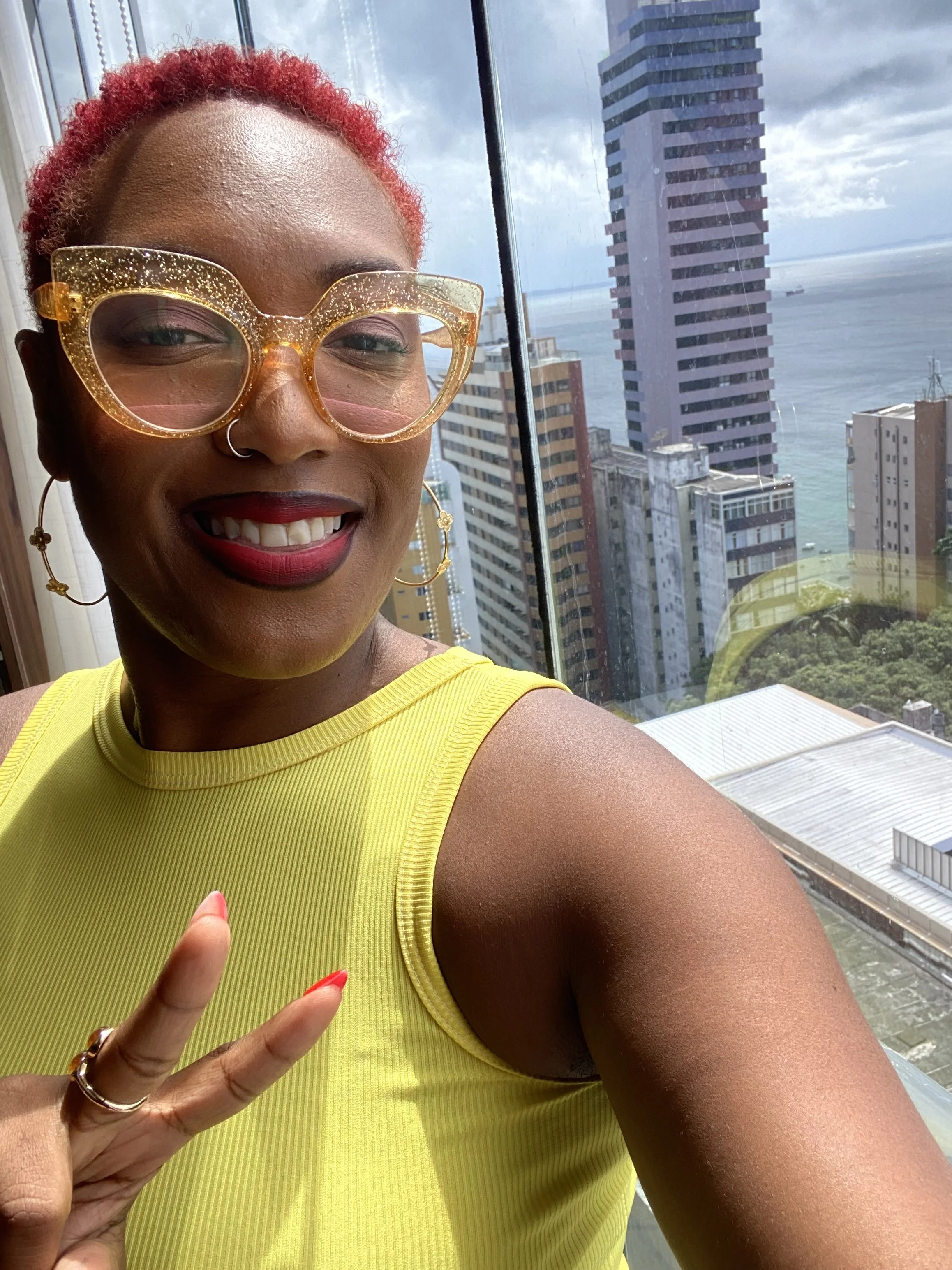
You cannot visit Salvador without seeing the massive elevator connecting the upper and lower parts of the city. The Elevador Lacerda is one of the most recognizable landmarks in Salvador and has been operating since the 1800s. I first learned about this spot when a Sister I met in Salvador told me to meet her there, as we went to a Olodum festival in Pelourinho.
It connects Cidade Alta (Upper City) and Cidade Baixa (Lower City), and honestly… the view from the top of the elevator is worth a visit. Once you get to the top, you can see the bay, boats floating in the water, colorful buildings, and parts of the historic center all at once.
It’s one of those places where you realize Salvador is built very differently from most cities.
I’ve had the opporutnity to go multiple times since and I recommend you go around sunset if you can. The lighting over the water is beautiful.
Visit Pelourinho and the Michael Jackson Filming Location
Pelourinho is the historic center of Salvador and probably the most photographed area in the city, as it is a popular tourist space. The colorful colonial buildings, churches, art on the walls, dancers, and cobblestone streets make it feel like you’re walking through history and art at the same time.
This is also where Michael Jackson filmed parts of the “They Don’t Care About Us” music video with Olodum.
There’s usually somebody nearby willing to point out the exact filming area because Salvador is very proud of that moment, and honestly, they should be. The video highlighted Afro-Brazilian culture, percussion, and the energy of Bahia to the entire world.
You’ll also hear drums constantly in this area because Pelourinho is heavily tied to Afro-Brazilian musical traditions.
Memorial das Baianas de Acarajé
Another place I highly recommend visiting is the Memorial das Baianas de Acarajé near Pelourinho along the waterfront area by Praça da Cruz Caída. The space is dedicated to the history, culture, clothing, spirituality, and legacy of the Bahianas de Acarajé, the women who have carried this Afro-Brazilian culinary tradition for generations.
You learn about the roots of acarajé, the religious and cultural significance connected to Candomblé traditions, and the role these women played in preserving Bahian culture and creating income for themselves and their families…and even how they bought their freedom.
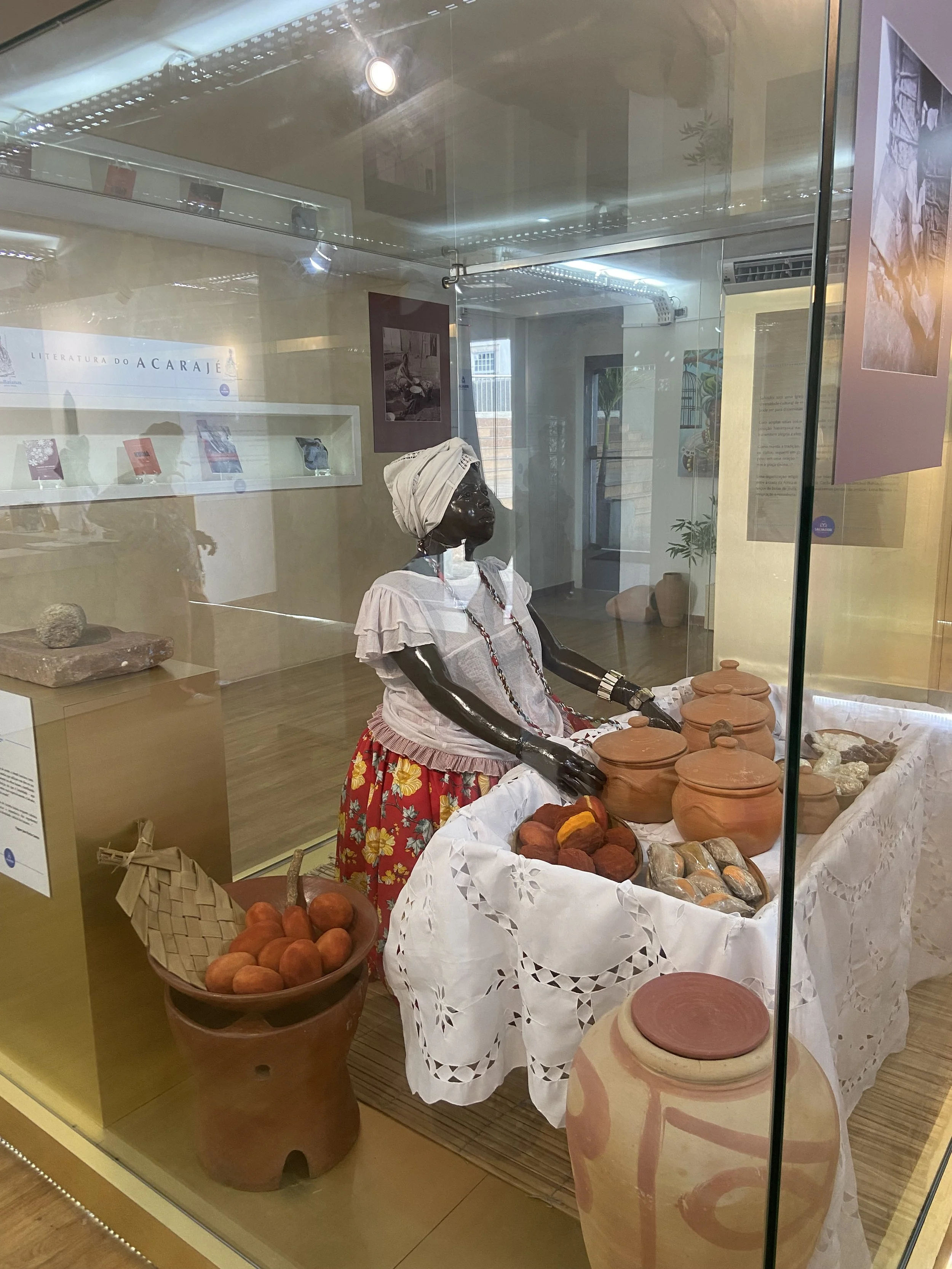
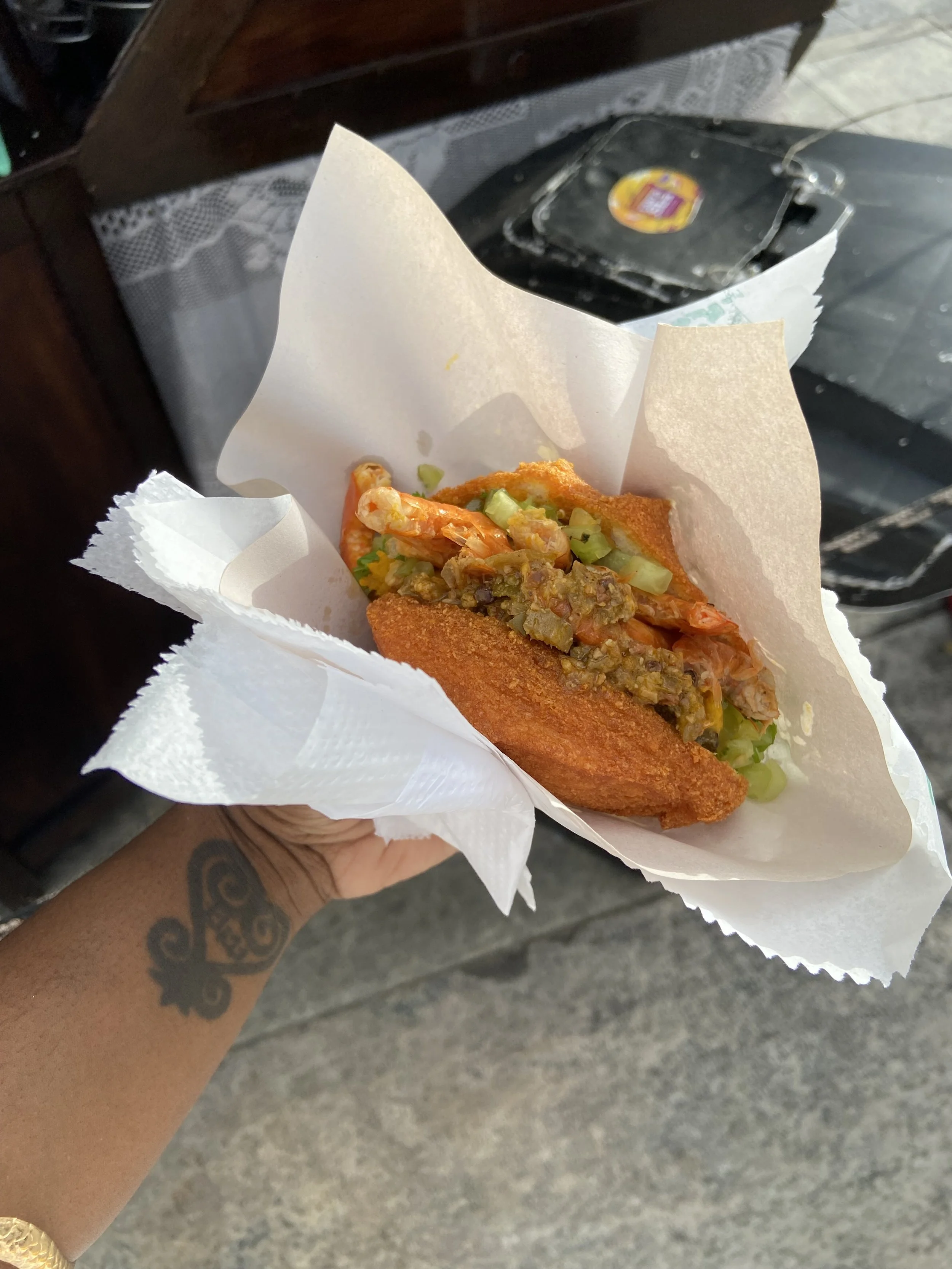
The memorial also has traditional clothing, photographs, cooking tools, and exhibits explaining the history behind the profession. Afterward, absolutely go support one of the Bahianas selling fresh acarajé outside in the surrounding shopping and walking area. Please don’t leave Salvador without trying authentic acarajé from a real Bahiana.
Don’t forget to tip the elder Bahiana watching over the Memorial, she requests R$10 and it means a lot and shows appreciation for the labor, history, and cultural preservation behind what they do.
Explore Mercado Modelo and Learn the History
Mercado Modelo is one of the most famous markets in Salvador. It sits near the waterfront across from the lower entrance to the Lacerda Elevator and is filled with local crafts, artwork, instruments, clothing, souvenirs, and food.
But beyond shopping, there’s deep history in this space too.
The building historically functioned as a customs warehouse near the port area during the colonial period. Salvador was one of the primary ports connected to the transatlantic slave trade, and this area carries a heavy historical significance connected to enslaved Africans arriving in Brazil.
Underneath Mercado Modelo, there are old underground areas where enslaved Africans were held. There are stories tied to that period of history that many visitors are unaware of. I know I was, before visiting.
Salvador is beautiful, but it’s also important to understand the history that shaped it. Salvador was a major Slave port before they became free in 1888… making Brazil the last country in South America to abolish slavery.
See the Orixá Statues at Dique do Tororó
One of my favorite places visually in Salvador is the lake with the giant Orixá statues rising from the water. It feels so majestic to experience it. You can even rent a paddle boat to get close to them in the water (prepare for a workout lol).
The statues represent Orixás (Orishas) from the Afro-Brazilian spiritual tradition deeply rooted in Yoruba influences brought to Brazil through enslaved Africans.
Even if you are not religious or spiritual, it’s still an incredibly beautiful and culturally important place to visit. The statues are massive and peaceful at the same time.
At night, the lighting around the water makes the whole area feel even more magical. As someone who has been very connected to the Orisha, it felt powerful being in the space, meeting with a Priestess, and connecting deeply.
Visit Fonte Nova Stadium
If you enjoy sports, architecture, or just experiencing Brazilian culture fully, check out Arena Fonte Nova.
Brazilian football culture is very serious. Even people who don’t normally watch sports can appreciate the energy of the stadium.
The stadium was also renovated for the 2014 FIFA World Cup, so it’s modern while still holding the energy of local football culture. I didn’t get the chance to go in, but being outside of it was nice (it’s near Dique do Tororó)
Go to the Museum of Music
Salvador has such a strong musical identity that it literally has a music museum dedicated to the sounds and cultural history of Bahia.
The Cidade da Música da Bahia is interactive and gives you a deeper understanding of how important music is to Salvador’s identity. Drumming, samba-reggae, Afro-Brazilian rhythms, Carnival culture… it all connects back to the city’s history. It even shares stories from the different communities within Bahia and their musical influence.
And here’s the good part:
Entrance is free on Wednesdays. Which is the same for Mercado Modela and Museo Afro-Brasileiro.
If you’re traveling on a budget, definitely take advantage of that because museums and cultural spaces can add up quickly when traveling long-term.
Museu Afro-Brasileiro
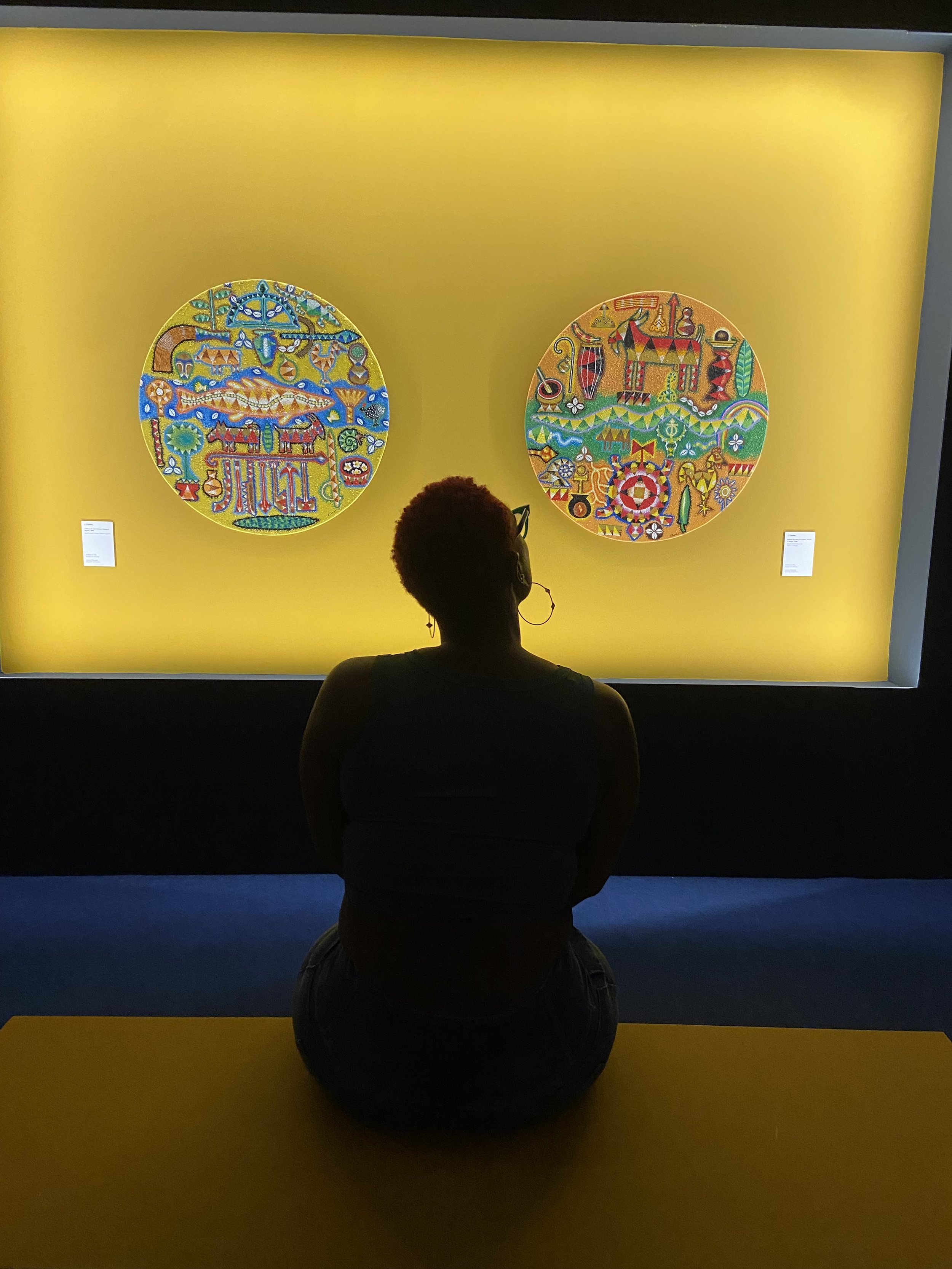
If you want to understand the deep African influence on Salvador and Bahia as a whole, make sure you visit the Museu Afro-Brasileiro located in Pelourinho. This museum gives a powerful look into the history, spirituality, art, resistance, and cultural contributions of Africans and Afro-Brazilians throughout Brazil’s history.
Inside, you’ll find exhibits on Candomblé, Orixás, slavery, artifacts, traditional clothing, religious symbolism, and artwork that reflects the survival and preservation of African culture in Brazil. Salvador already feels deeply connected to African ancestry when you walk through the streets, but the museum helps give context to why the city feels that way.
It’s one of those places that makes you pause for a second and really think about how much culture survived despite everything.
Walk Along the Waterfront
One thing Salvador does really well is creating spaces where people simply gather together. Along the waterfront areas, you’ll see families walking, people exercising at one of the outdoor public gyms, couples sitting near the water, musicians performing, and groups just talking for hours.
That sense of community stands out to me every single time I’m outside.
People are outside living life instead of rushing through it stressfully. Make sure to slow down and take part. Brazilian have been very friendly to me and open to communicate, even if it is through google translate.
My Final Thoughts
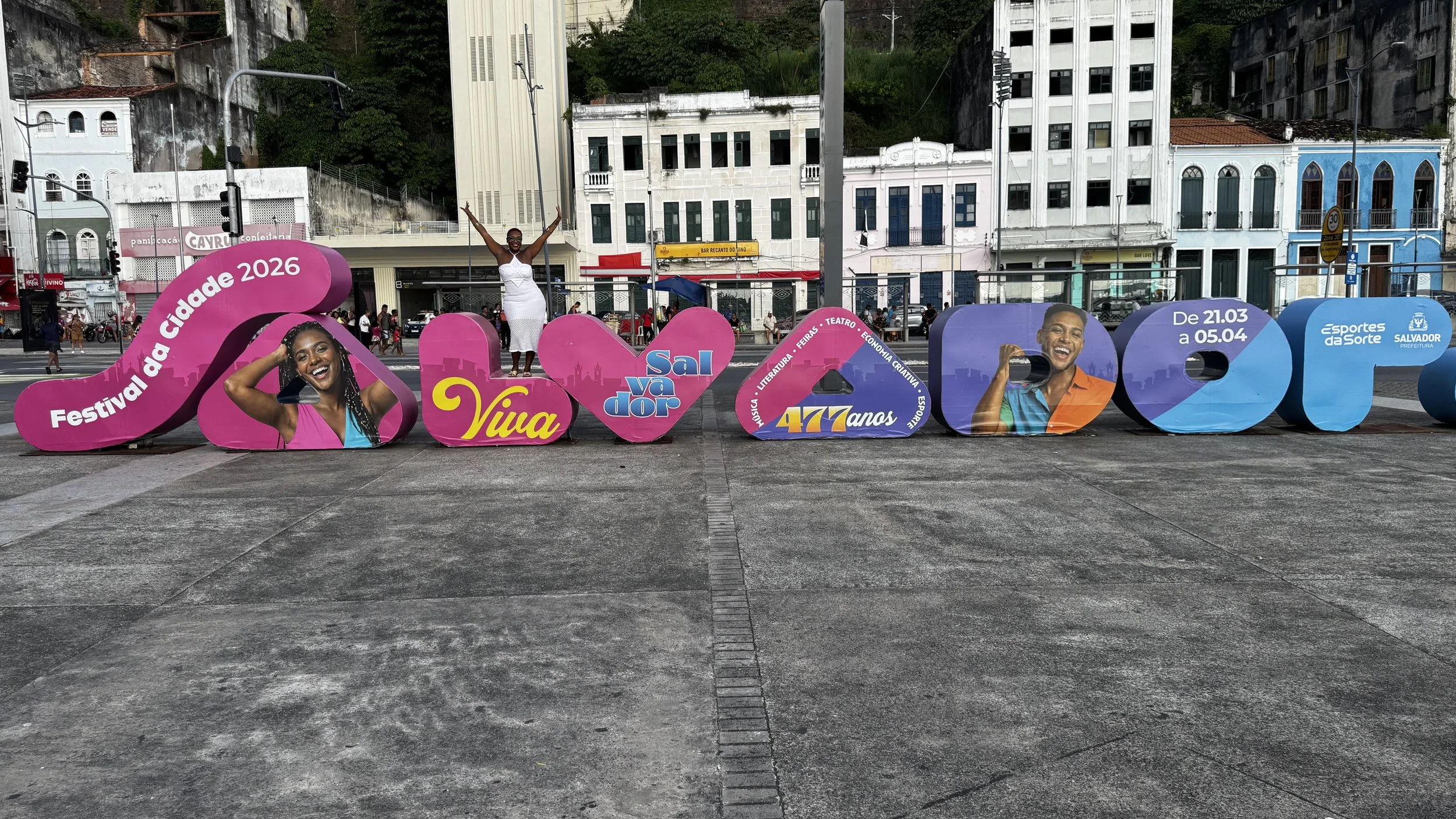
Salvador is one of those cities that feel deeply connected to identity, ancestry, music, spirituality, and community. You can feel the African influence everywhere, from the food to the drums to the spiritual traditions to the way people interact with each other. So when you visit, make sure to:
Come with curiosity.
Come with respect for the history.
And honestly… come ready to slow down a little.
Because Salvador moves on its own rhythm.
Question for you
Are you from Salvador? Have you ever visited before? What’s something you feel people should explore and experience while in Salvador, Brazil? Let us know in the comments!